

shop by catalog
Servicing Industry Worldwide Since 1989


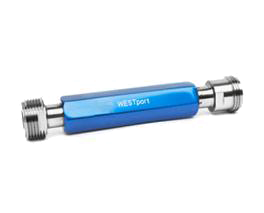
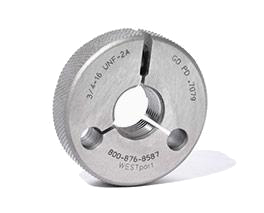
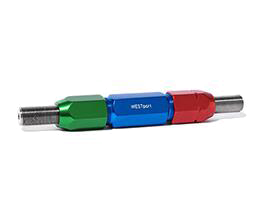
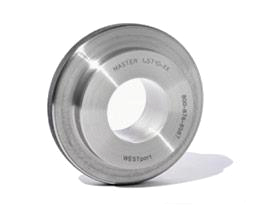
SPECIALITY GAGES
Read Our Latest Blog Posts


Order Online in over 90 languages with Shipping To over 200 Countries
About WESTport
WESTport Gage, WESTport Calibration, WESTport Hardness Testing, WESTport Tap and WESTport Precision Measuring Tools will ensure you meet and exceed your quality assurance and measurement needs. The WESTport family of ISO accredited companies proudly provides one-stop shopping for your Thread Plug Gages Thread Ring Gages Cylindrical Plug Gages, Cylindrical Ring Gages, Air Gages, API Gages, Rockwell and Brinell Hardness Testers, Rockwell, Brinell and Microhardness Test Blocks, Hardness Testing accessories, Special Taps and Measuring Tools.
Our full service Metrology Laboratories offer 1-3 day turnaround for the calibration and repair of your thread plug, thread ring, plain plug, plain ring gages, calipers, micrometers, torque and force gages and any measuring tool or gauge from A-Z. You can count on the WESTport Team to provide the highest quality products, largest stocking inventory, guaranteed lowest prices and on-time delivery. Our friendly, courteous customer service, sales and engineering team take great pride in providing you with "Quality you can Trust" for all your quality assurance needs.
Testimonials
WESTport truly ranks at the top. Your Prompt delivery of quality products at comptitive prices and outstanding services is greatly appreciated.